Human-Machine Intelligent Systems Lab
What we're working on

Projects

What follows is the lab's working portfolio. Active projects are the work in motion, often with outside collaborators. Completed projects are software we have released and the published or presented work that came out of independent studies and undergraduate research.

Active

What we are building right now, with collaborators and students.

Research Project

Mathforum AI: Mentir AI

An AI-powered math tutoring assistant built on the historic Mathforum problem-thread archive. The project explores RAG (retrieval-augmented generation) and fine-tuning strategies to provide pedagogically sound feedback on student mathematical thinking, in collaboration with Jason Silverman and the Gates Foundation.

ai education mathematics rag
Research Project

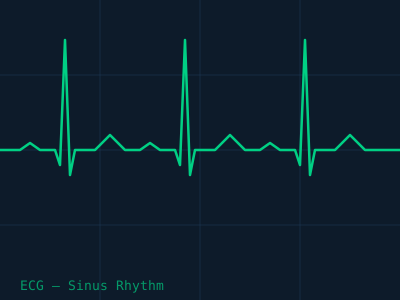
End-to-End Intelligent Cardiorespiratory Monitor

A full-stack wearable system for continuous, ambulatory cardiorespiratory monitoring. The project integrates signal acquisition, edge processing, and machine learning inference for real-time health monitoring outside clinical settings.

machine learning healthcare wearables iot
Research Project

DWSL Grid Testbed

A reconfigurable wireless testbed at the Drexel Wireless Systems Lab supporting experiments in RF sensing, smart grid communications, and spectrum management.

wireless iot infrastructure
Research Project

Ventilation Monitoring: Full-Stack Paper

End-to-end paper on passive wearable respiratory device design and the analysis algorithms that monitor respiratory activity, covering hardware, signal processing, and clinical validation.

healthcare wearables respiratory
Research Project

RFID Antenna State Selection

Research into intelligent antenna state selection for RFID-based sensing, targeting improved read range and accuracy in multi-tag environments.

rfid wireless sensing
Completed

Software we have released, papers we have written, and the undergraduate work behind much of it.

Software

NVIZ: Neural Network Visualizer

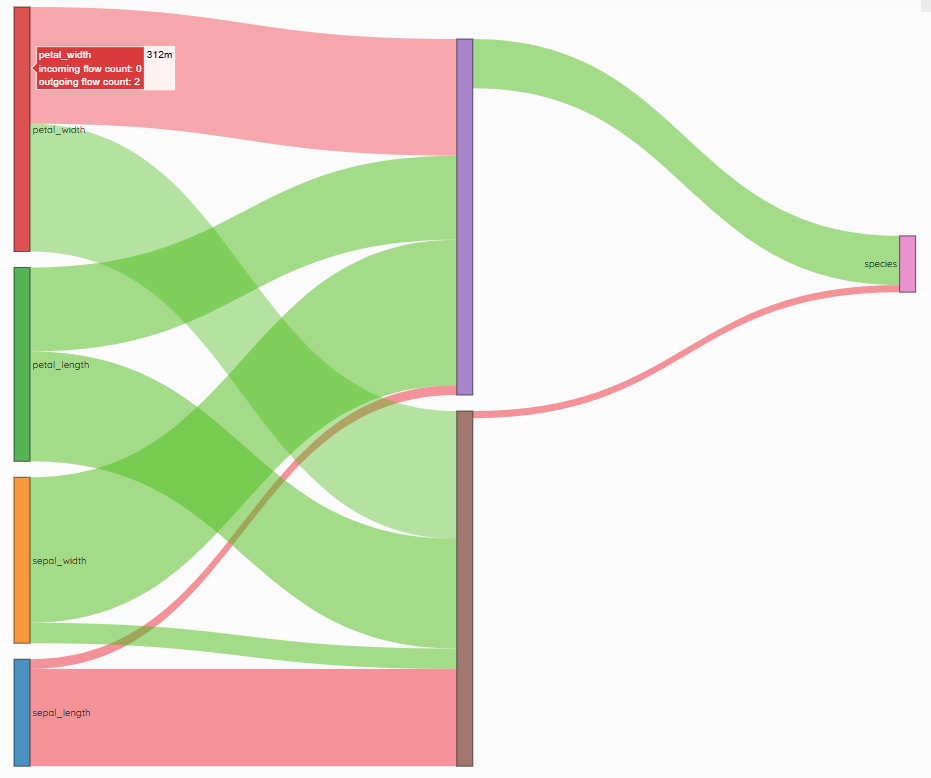
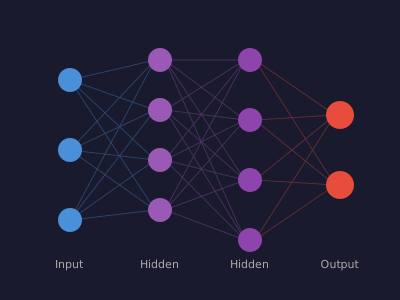
An interactive, no-code neural network visualizer that lets users upload data, define a network architecture, train a model, and explore its behavior through Sankey diagram visualizations — all in the browser. Developed by Ursinus students Kevin Hoffman and Michael Cummins. Source on GitHub.

Ursinus WebIDE

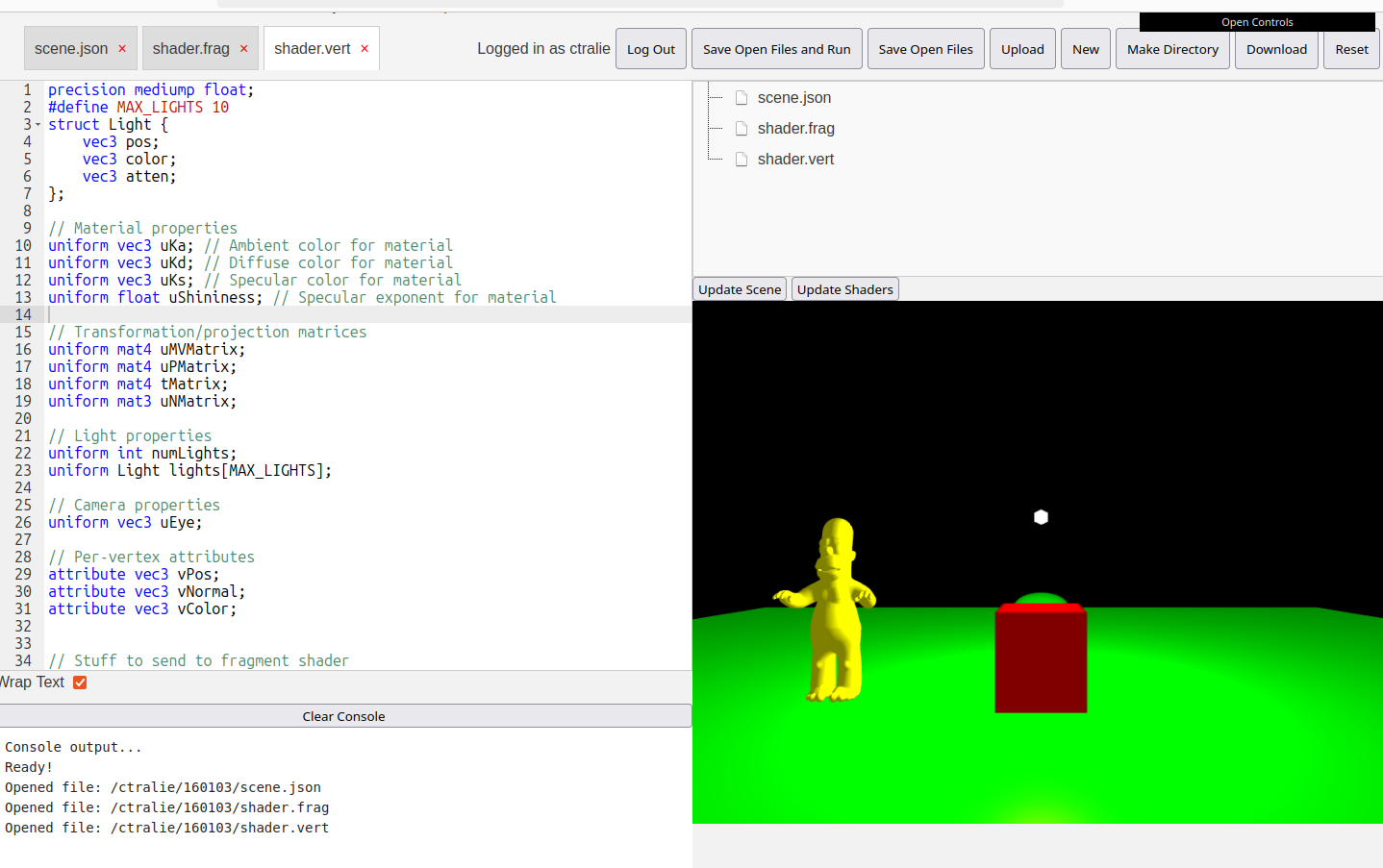
A serverless, browser-based development environment for student practice and rapid instructor exercise development, supporting multiple languages with no setup required. Developed with Christopher Tralie.

IoT Sensor Framework

A platform to collect data from IoT-based sensors — including knitted smart textiles — for HIPAA-compliant processing and research. Developed with the Drexel Wireless Systems Lab.

IoT Processing Framework

Integrates with the IoT Sensor Framework to provide real-time or offline signal processing and machine learning on data collected by the sensor framework. Developed with the Drexel Wireless Systems Lab.

Student Research

Mentir AI: RAG vs. Fine-Tuning in Math Education

Student research comparing retrieval-augmented generation and fine-tuning for building an AI math tutoring assistant on the Mathforum archive. Presented at Ursinus CoSA 2026. Developed by Michael Cummins, Matt Latta, and Claire Shoemaker.

Sleep Apnea Detection via ECG

A machine learning pipeline for minute-level and subject-level sleep apnea detection using ECG signals. Presented at Ursinus CoSA 2026. Developed by Andrei Bogdan.

AI Explainability Tools

Tools for making machine learning model decisions more interpretable and transparent. Presented at Ursinus CoSA 2025. Developed by Michael Cummins.

Grizzly Guide to Wealth (GGTW)

A suite of financial literacy and planning tools developed for the Grizzly Guide to Wealth platform. Presented at Ursinus CoSA 2025. Developed by Eugene Thompson and George Psaradakis.

UCPlaces: Campus Orientation App

A mobile campus orientation app using ArcGIS to help new students navigate Ursinus College. Presented at Ursinus CoSA 2023. Developed by Arthur Artene and Tristan Ashcroft.

RF IoT Security Layer

A radio-frequency security layer for IoT sensor networks, adding authentication and encryption at the physical layer. Presented at Ursinus CoSA 2023. Developed by Jonas Ling.

Automated Moon Crater Detection

Exploring algorithmic and neural network approaches to automatically detect and catalog craters on the lunar surface from LRO imagery. Presented at Ursinus CoSA 2023. Developed by Dylan Melby.

Interactive AI Theater Presentation

An AI-driven interactive theater performance exploring human-machine collaboration in live performance art. Presented at Ursinus CoSA 2026. Developed by Levi Fritz and Shannon Zura.

AI in Teaching and Learning

Honors and research independent studies investigating AI applications in educational contexts, including generative AI, classroom integration, and pedagogy. Conducted by four students across CS394 and the Honors thesis sequence (CS491–CS492).

AI-Based Wi-Fi Penetration Tool

Honors independent study designing an AI-assisted tool for automated Wi-Fi security assessment and penetration testing. Conducted in the Honors thesis sequence (CS491–CS492).

Human Pose Estimation through WiFi

Research independent studies using RF signal analysis and machine learning to estimate human body pose without cameras. Conducted by two students (CS394).

RFID Localization and Tracking

Research independent studies in RFID-based indoor localization, multi-tag tracking, and dynamic radar sensing techniques. Conducted by four students across CS394.

RF Biomedical Analysis via Wearable IoT

Multi-semester research in RF-based biomedical signal acquisition and analysis using wearable IoT sensor devices. Conducted by four students across CS391 and CS394.

Grid Software Defined Radios

Research and educational module development for software-defined radio (SDR) platforms in smart-grid communication scenarios. Conducted by multiple students across CS392 and CS394.

AI Feature Visualization

Research independent studies developing methods to visualize internal feature representations in trained neural networks, connecting to broader explainable AI themes. Conducted by multiple students across CS391 and CS392.

Natural Language Processing Research

Research independent study in natural language processing techniques and applications, including retrieval-augmented approaches. Conducted by three students (CS394).

FinLitKit: Financial Literacy Toolkit

Independent study developing an open financial literacy toolkit for educational and personal finance use. Conducted in CS392.

Sensor Fusion Research

Research independent study in multi-sensor data fusion techniques for wearable and IoT applications. Conducted by two students (CS392).

Malware Detection via Electromagnetic Response

Research independent study exploring side-channel electromagnetic signatures for hardware-level malware detection. Conducted in CS391.

Virtual Museum Environments

Research independent study in virtual reality museum environment design and interactive digital exhibit development. Conducted in CS391.

Wireless Emergency Communications

Independent studies in reliable RF-based emergency communication systems and protocols, including amateur radio integration. Conducted across CS392 and CS394.

Deep Learning in Astrophysics

Research independent study applying deep learning techniques to astrophysical image and data analysis. Conducted in CS391.