Developing Tools for AI Explainability
Ursinus Celebration of Student Achievement (CoSA)2025


What follows is everything the lab has published or shown: peer-reviewed papers, conference posters, undergraduate research projects, and the occasional piece of software.
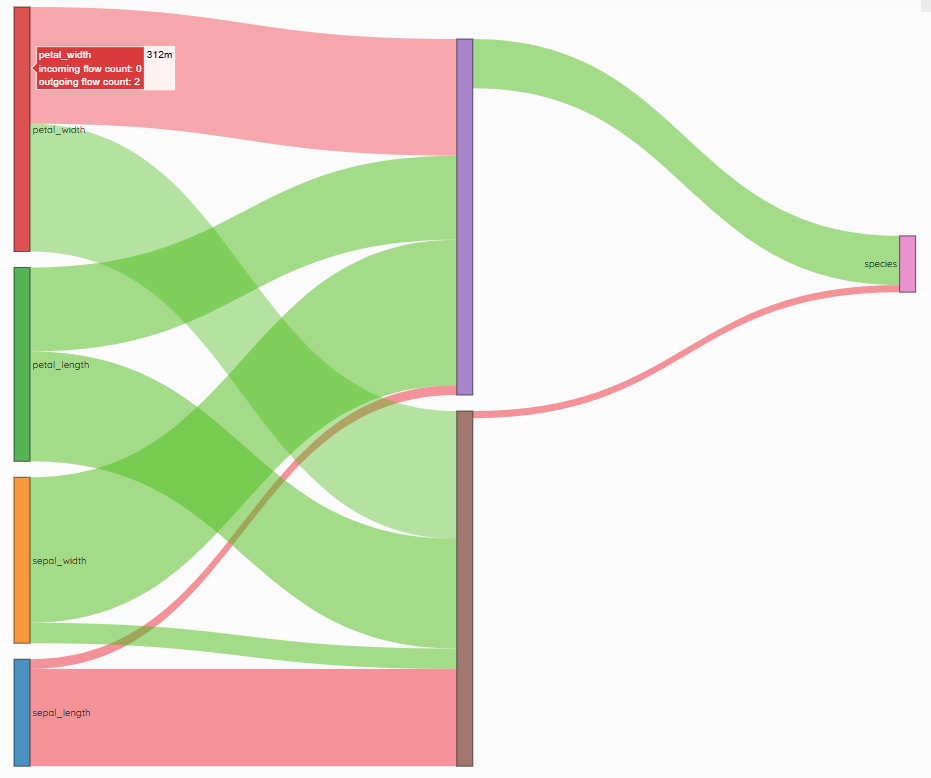
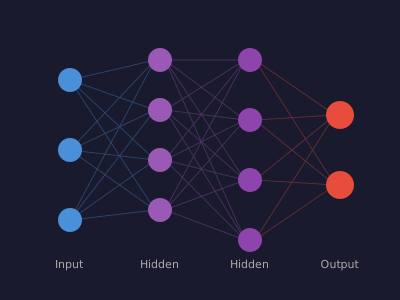
How can a machine show its reasoning, not just its answer? We work on visual and interactive tools that help students, teachers, and decision-makers see what is inside a model.
Ursinus Celebration of Student Achievement (CoSA)2025
Our work sits at the intersection of learning science and software, producing intelligent tutoring systems, writing support tools, and course infrastructure that serves learners in classrooms.

Computer Science Honors Papers, Ursinus College2026
Ursinus Celebration of Student Achievement (CoSA)2026
Ursinus Celebration of Student Achievement (CoSA)2026
Society for Information Technology & Teacher Education International Conference 20262026
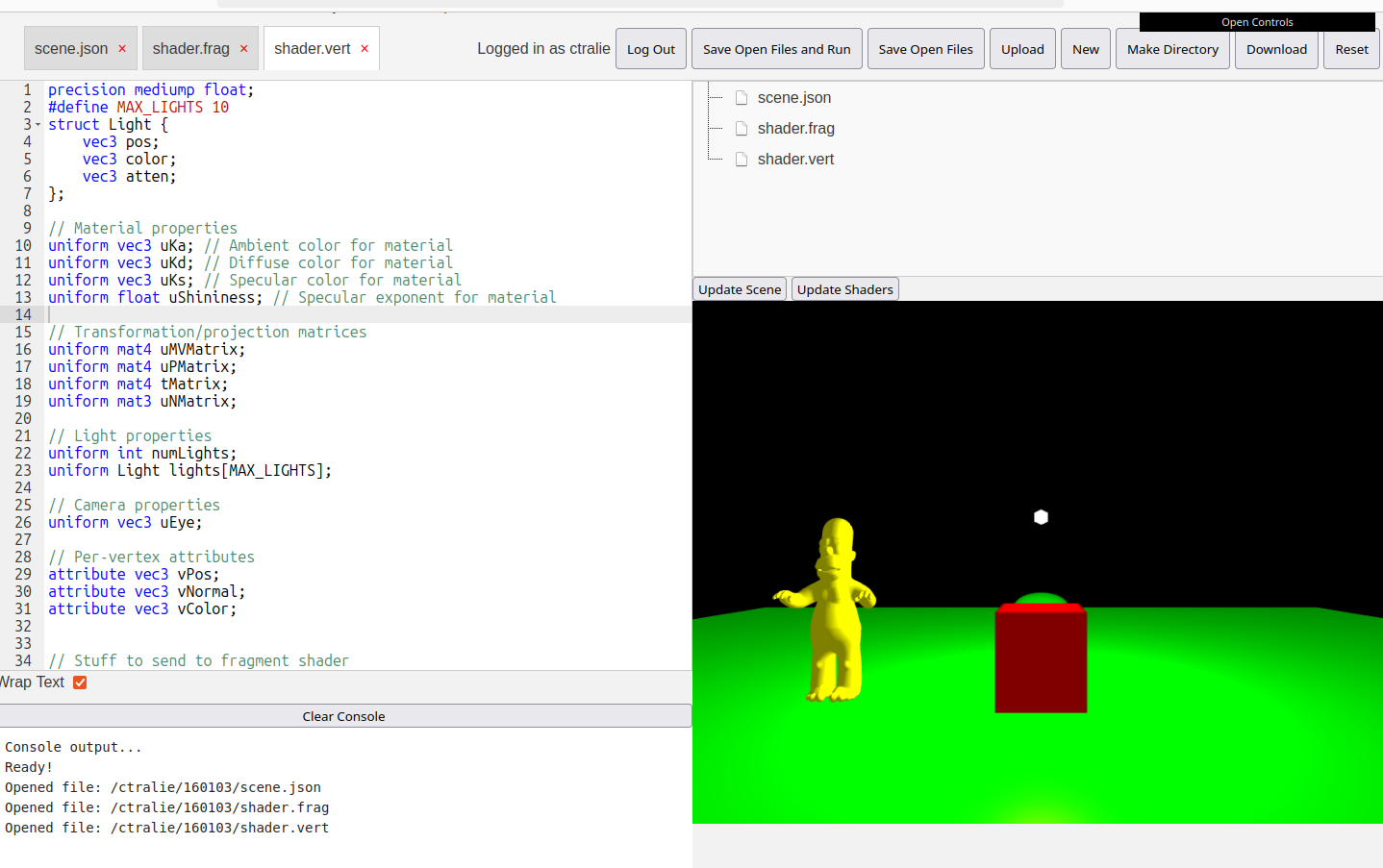
Proceedings of the 55th ACM Technical Symposium on Computer Science Education (SIGCSE TS 2026)2026
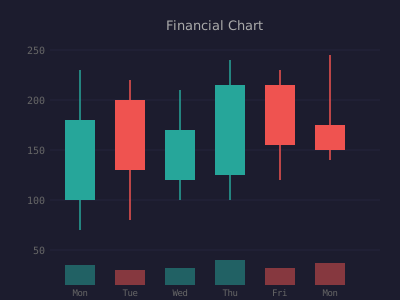
Ursinus Celebration of Student Achievement (CoSA)2025
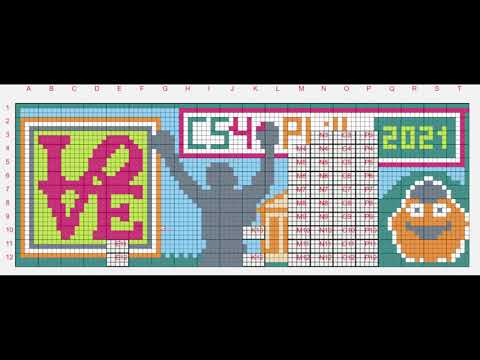
ACM SIGCSE 2019 Nifty Assignment2019
Machine learning where care actually happens: ECG, sleep, wearables, and the messy realities of clinical and lab data.
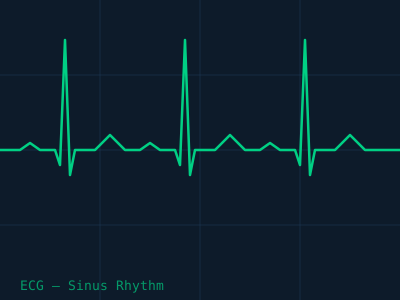
Ursinus Celebration of Student Achievement (CoSA)2026
Lower-level systems work that supports the rest of what we do: secure IoT layers, sensor frameworks, and a few computer vision detours.
Ursinus Celebration of Student Achievement (CoSA)2023
Ursinus Celebration of Student Achievement (CoSA)2023
Ursinus Celebration of Student Achievement (CoSA)2023